Tuesday7 pm Basics · 8 pm non-Basics
Wednesday7:15 pm Intermediates · 8:15 pm Advanced & Intermediates
Argentine tango classes · Lausanne
Whether you are a beginner or already dance: here is everything essential for coming to your first class at Espace Riponne, rue Valentin 4a.
Tuesday7 pm Basics · 8 pm non-Basics
Wednesday7:15 pm Intermediates · 8:15 pm Advanced & Intermediates
As a pair: join the next class.Solo: participate during the first week of the month. During other weeks, you may watch free of charge.
Your tango can begin with a private lesson, without a partner.No partner needed: come solo to begin or progress at your own pace. By appointment, subject to Shawn’s availability.Explore private lessons →
Let Shawn know: one message is enough.The form prepares an email; your registration is confirmed as soon as you send it.
The current programme
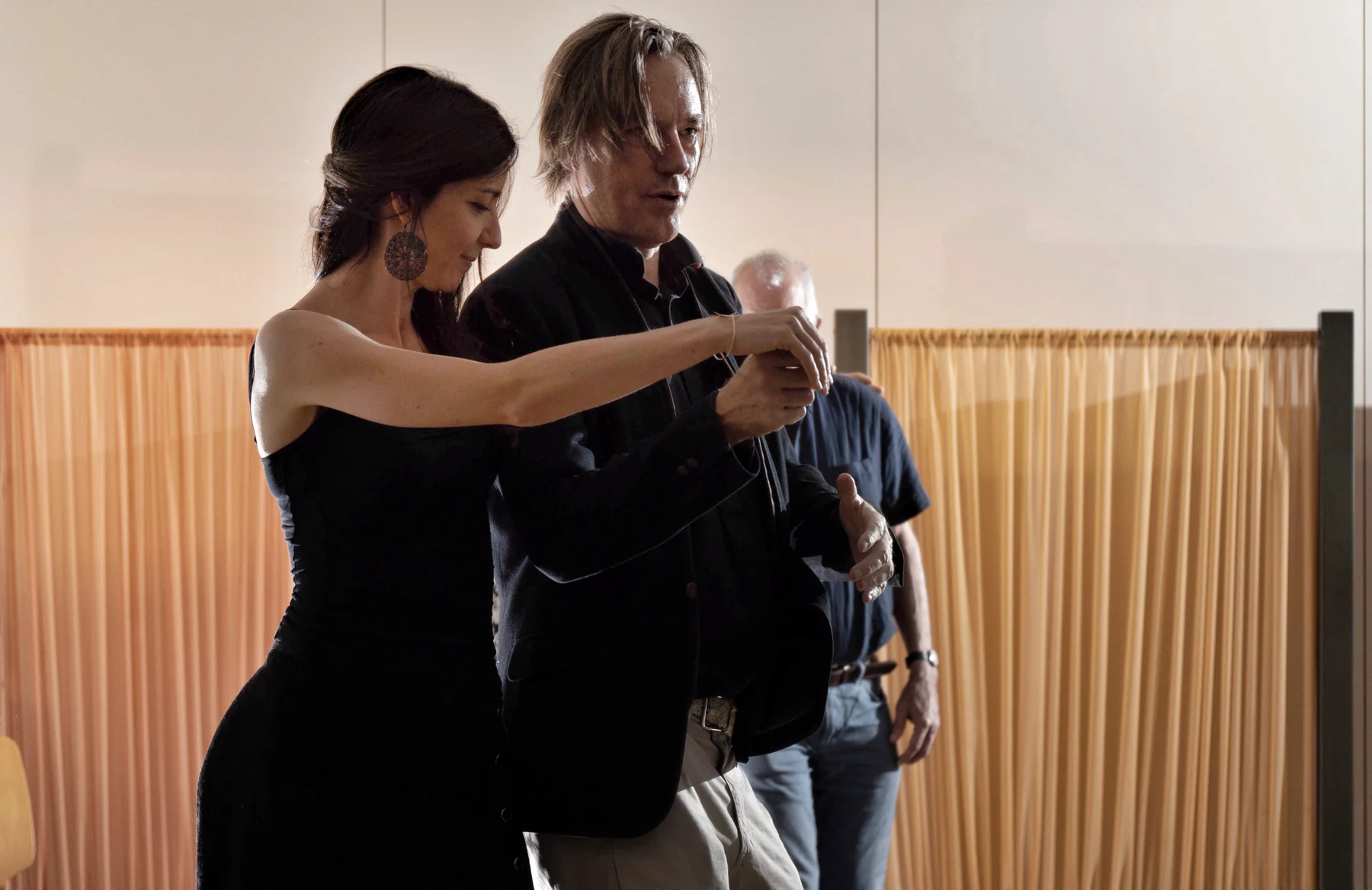
Basics welcomes complete beginners and experienced dancers. Each of the four classes offers precise, demanding work; what changes is the material and the depth appropriate to each dancer.
For beginners—and for intermediate or advanced dancers revisiting the foundations at their own level.
Choose this classNormal Argentine tango material beyond basic vocabulary for intermediate and advanced dancers. Curious teachers are equally welcome.
Choose this classClassical non-basic themes, often revisiting Tuesday material at a higher level of difficulty.
Choose this classAn exploratory class using less familiar ways to examine rhythm, roles, perception and movement.
Choose this classHow the work happens
Body, music, relationship and space are explored together. The same material can become a first landmark or a very fine inquiry.
See where the dimensions meet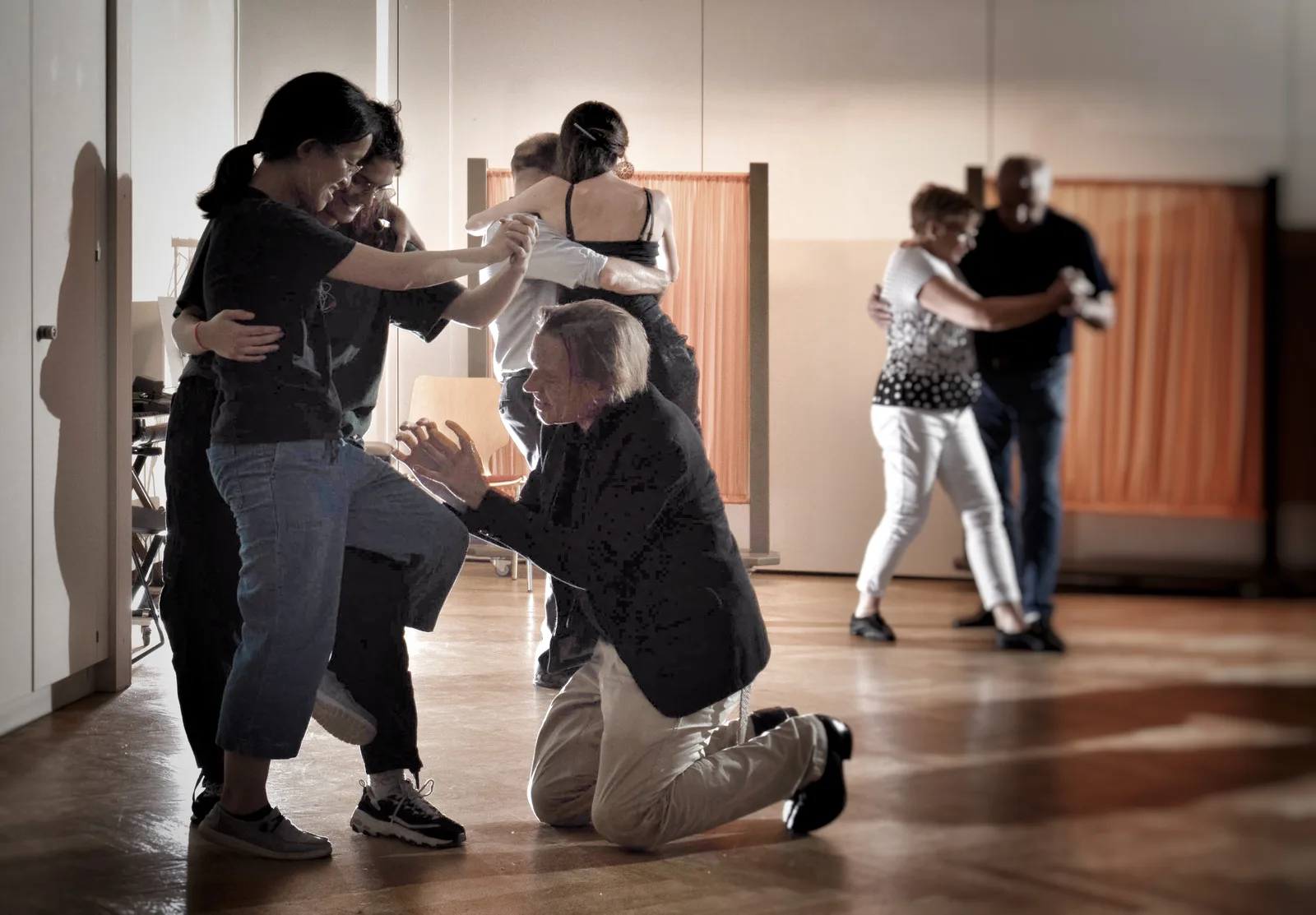
A question returned to movement
Depending on the question alive in the room, Shawn may work for a moment with a highly experienced dancer or with someone discovering tango. The point is not to present a model to copy, but to open a path that each dancer can test in their own dancing.
A body is not a demonstration to correct, but an intelligence becoming visible. The right detail does not command movement: it clears what kept it from appearing, then lets the person recognise the path that has just opened.
Private lessons
One, two—even three people (yes, it is still a private lesson). Begin, regain confidence, catch up on missed material or go straight to the heart of a question. During the week of a private lesson, each group class uses one box on the Tango Card.
Explore private lessonsA private lesson is not a group lesson made smaller. Time changes density: a hesitation can become material, a habit can accept being questioned, and movement can finally receive an answer intended for no one else.
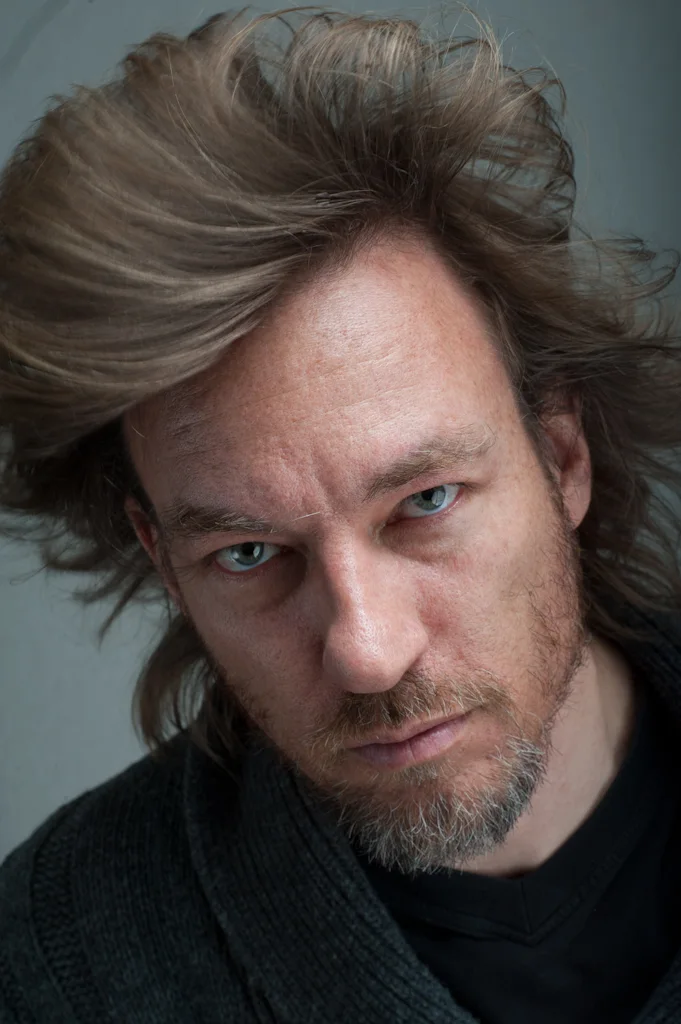
Shawn Koppenhoefer
The violin belongs to Shawn’s history; his listening still carries its memory. An EPFL doctor and a student of movement and tango, he lets these paths inform his preparation without ever replacing the person, the music or the dancing.
Meet Shawn and explore his documented pathTeaching is not the distribution of an anonymous truth. Every teacher brings a history, transformed mistakes, Maestros and Maestras encountered, and a singular way of listening. The work begins when a student does not copy that signature, but uses it to deepen their own.
Central Lausanne
100 mfrom Riponne–M. Béjart metro
OppositeValentin car park
Your next step
Your first class can be a beginning, a return, or the movement that carries you beyond a plateau. Choose a class or simply tell us where you are.
Or write directly to [email protected].